BENEFITS OF A SOLAR POOL COVER
Outstanding service | Exclusive pricing | Trusted industry expertise
1
/
of
4
1
/
of
1
MADIMACK
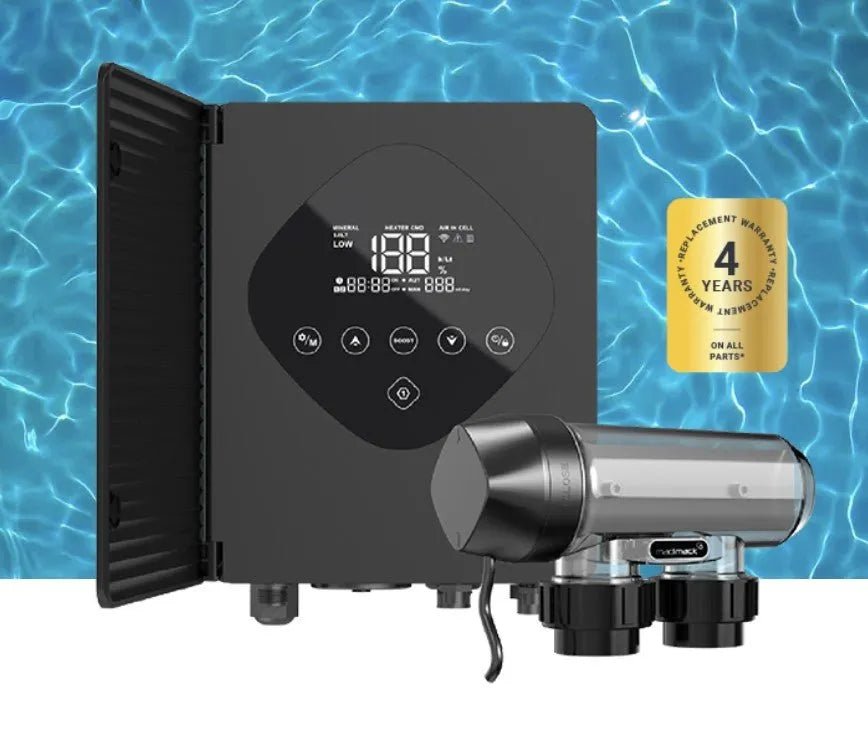
MADIMACK INVERCHLOR CHLORINATOR
InverCHLOR revolutionises pool chlorination with exceptional performance in both salt and mineral pools. This intelligent system ensures accurate, convenient, and efficient pool sanitisation. With adjustable settings and real-time updates on water chemistry, it maintains optimal conditions throughout the varying Australian seasons.
Share

POOL MAINTENANCE GUIDE
Why Every Aussie Pool Owner Should Consider a Solar Pool Cover
If you’ve got a backyard pool in Australia, you know it’s one of the best investments you can make. Long summer afternoons, kids jumping in after school, weekend barbies that end with a swim — it’s part of the lifestyle.
But you also know pools aren’t cheap to run.
Between heating, topping up water, and buying chemicals, the costs can quietly add up. That’s where a solar pool cover comes in. It might not look fancy, but it’s one of the simplest and smartest ways to make your pool easier and more affordable to maintain.
Here’s why so many Australian pool owners swear by them.
It Keeps Your Pool Warmer — Naturally
Australia gets plenty of sunshine, and a solar pool cover makes the most of it.
During the day, the cover absorbs heat from the sun and transfers it into the water. At night, it acts like a blanket, stopping that warmth from escaping into the cooler air.
Depending on where you live, you can often gain several degrees in water temperature — without spending a cent on electricity or gas.
If you already have solar heating or a heat pump, using a cover makes it dramatically more efficient. Without one, you’re basically trying to heat your pool with the “lid off.”
It Dramatically Reduces Evaporation
Most people don’t realise that evaporation is the biggest cause of heat loss in a pool — and in many parts of Australia, it happens fast.
In hot, dry climates like Perth or Adelaide, pools can lose a surprising amount of water each week.
A solar cover can reduce evaporation by up to 95%.
That means:
Less topping up with the hose
Lower water bills
More stable chemical levels
With water restrictions common in some areas, that’s a big win.
You’ll Use Fewer Chemicals
When water evaporates and you top it up, your chemical balance gets diluted. That means more adjusting, more salt or chlorine, and more effort.
A solar cover helps keep everything stable. It also protects your pool from constant UV exposure, which breaks down chlorine faster under our harsh Australian sun.
The result?Less chemical use and fewer trips to the pool shop.
You Can Stretch Out the Swim Season
If you live in Melbourne or Sydney, you know how quickly the water can cool off once summer fades.
A solar cover helps you:
Start swimming earlier in spring
Keep the pool comfortable into autumn
Enjoy more value from your pool each year
For many families, that extended swim season alone makes it worthwhile.
It Keeps the Pool Cleaner
Leaves, insects, dust — they all end up in the pool eventually.
A cover acts as a physical barrier, meaning:
Less skimming
Less vacuuming
Less strain on your filter
It’s not just about saving money — it’s about saving time.
It’s Affordable and Easy
Compared to other pool upgrades, a solar cover is relatively inexpensive and simple to use.
Many people add a roller system so covering and uncovering the pool takes just a minute or two. Once it becomes part of your routine, it’s effortless.
Is It Worth It?
For most Australian pool owners — absolutely.
A solar pool cover:
Reduces heating costs
Saves water
Lowers chemical use
Cuts down maintenance
Extends your swim season
It might not be the most exciting pool accessory, but it’s easily one of the most practical.
In a country where we love our outdoor lifestyle but also feel the pinch of rising energy and water costs, a solar pool cover just makes sense.
How a Pool Salt Chlorinator Works
If you’ve got a backyard pool in Australia, chances are it runs on a salt chlorinator. From suburban Brisbane to coastal Perth, saltwater pools have become the go-to choice for homeowners who want sparkling water without constantly handling chlorine.
But how does a salt chlorinator actually work?
Let’s break it down in plain English.
First Things First — A Salt Pool Is Still a Chlorine Pool!
This surprises a lot of people.
A saltwater pool isn’t chlorine-free. It simply makes its own chlorine using salt and electricity, instead of you adding chlorine tablets or liquid by hand.
Think of it as a mini chlorine factory sitting quietly in your pool plumbing.
Step 1: You Add Pool Salt
Pool salt (sodium chloride) is poured directly into the pool and dissolved. Most Australian systems run at around 3,000–4,000 ppm (parts per million).
Please note that when bringing in your water for testing, please take a photo of the Chlorinator control box, as each system has varying specific salt requirements. We will keep this information on record to make your water testing more accurate for your pool.
To put that in perspective:
The ocean is about 35,000 ppm.
Your pool is roughly one-tenth as salty as seawater.
That’s why saltwater pools don’t feel like the beach — they just feel softer and less harsh on your eyes and skin.
Step 2: Water Flows Through the Chlorinator Cell
When your pool pump is running, water circulates through the chlorinator cell — a clear housing installed in your return line.
Inside that cell are metal plates (usually coated titanium). The control box sends a low-voltage electrical current through those plates.
This is where the magic happens.
Step 3: Salt + Electricity = Chlorine
When electricity passes through salty water, it triggers a process called electrolysis.
In simple terms:
The salt is split apart.
Chlorine is produced.
The chlorine immediately dissolves into the pool water.
That chlorine then:
Kills bacteria
Prevents algae
Breaks down sunscreen, sweat, and other contaminants
So instead of lugging home drums of chlorine from Bunnings, your system quietly makes what it needs while the pump runs.
Step 4: The Salt Recycles Itself
Here’s the clever bit.
After chlorine sanitises the water, it eventually converts back into salt. That means the salt isn’t “used up” in the normal sanitising cycle.
You only need to top up salt when water is lost from:
Backwashing
Splash-out
Heavy rain overflow
Evaporation top-ups
That recycling loop is what makes salt systems so popular across Australia.
Why Aussies Love Salt Chlorinators
With our hot summers and long swim seasons, salt chlorinators make life easier.
✔ More Consistent Chlorine Levels
Because chlorine is produced steadily while the pump runs, you avoid big chemical spikes and dips.
✔ Less Chemical Handling
No strong chlorine smell in the garage. No storing dangerous liquids.
✔ Softer Feel
Salt pools tend to feel gentler on skin, hair and eyes — especially important for kids who live in the pool over summer.
✔ Great for Automation
Most modern Aussie pool setups pair salt chlorinators with timers or full automation systems.
What Maintenance Is Still Required?
Salt pools aren’t “set and forget” — especially in Australia’s harsh conditions.
Check the Cell
Calcium can build up on the plates, particularly in hard water areas like Perth or Adelaide. The cell may need occasional cleaning.
Watch the pH
Salt pools naturally drift upward in pH, so regular testing is important.
Monitor Salt Levels
Too little salt = poor chlorine production.Too much salt = potential corrosion issues.
Be sure to get your water tested regularly at Rockingham Pool and Spa to keep an eye on the salt levels.
Replace the Cell
Most cells last 3–7 years, (usually between 4-5 years) depending on usage, water balance, and how well it’s maintained.
Is It Worth It?
For most Australian homeowners — absolutely.
A salt chlorinator:
Reduces day-to-day effort
Provides steady sanitising
Works well in hot climates
Keeps water comfortable for swimmers
It’s one of the reasons saltwater pools have become standard in Australian backyards.
In a nutshell
A pool salt chlorinator works by turning ordinary pool salt into chlorine through electrolysis, sanitising your water continuously and recycling the salt in the process.
It’s simple, clever technology — and perfectly suited to the Australian lifestyle.
Dealing with a Chlorinator Low Flow Cell Gas Error
A chlorinator is a vital component in maintaining clean and safe pool water by consistently distributing chlorine. However, encountering a "Low Flow or Cell Gas" error on your chlorinator can be frustrating and disrupt your pool maintenance routine. Understanding the causes behind this issue and knowing how to address it promptly can help you keep your pool water properly sanitized and enjoyable throughout the swimming season. Here’s a detailed guide on dealing with a chlorinator low flow/ Cell gas error:
Understanding the Low Flow / Cell Gas Error
Cell gas - no flow error: This is an important safety feature as a build-up of chlorine gas in the cell housing can be dangerous.
If your system will not run for more than 2 minutes, try the following to test whether your cartridge in your filter is causing the issue.
-Remove cartridge from filter, replace lid of filter into position.
-Turn on system and run for a few minutes. If the system does not shut down due to cell gas/low flow, then your cartridge either needs a good clean or replacing as it is blocking the water flow, causing a gas build up in the cell housing.
To test the pump is fully operational.
Plug the pump GPO directly into wall power point to bypass the chlorinator. This will test the pumps functionality. Please leave in for at least 5 minutes to allow the pump to change to Low speed (if applicable)
A chlorinator low flow error typically indicates that the flow of water passing through the chlorinator is insufficient for it to operate effectively. This issue can arise due to several factors, each requiring specific attention and troubleshooting steps to resolve.
General Common Causes of Low Flow / Cell Gas Error:
Clogged or Dirty Filter:
A clogged or dirty pool filter restricts water flow, preventing adequate circulation through the chlorinator.
Regularly clean or backwash your pool filter according to manufacturer instructions. Ensure the filter is free from debris, which can impede water flow and trigger the low flow error. See below for additional information in bold
Blocked or Restricted Plumbing Lines:
Blockages or restrictions in the plumbing lines leading to the chlorinator can reduce water flow.
Inspect the plumbing lines for any obstructions, such as debris or mineral deposits. Clear any blockages and ensure the lines are free from restrictions that could hinder water flow.
Air Bubbles in the System:
Air bubbles can disrupt water flow through the chlorinator, triggering a low flow error.
Check for air leaks in the plumbing connections leading to the chlorinator. Tighten loose fittings or replace damaged seals to eliminate air ingress. Properly prime the pump to remove air from the system.
Chlorinator Sizing and Installation Issues:
Improperly sized chlorinator or incorrect installation can lead to inadequate water flow through the system.
Ensure the chlorinator is correctly sized for your pool’s volume and flow rate. Follow manufacturer guidelines for installation, including proper positioning and connection to the pool’s plumbing system.
Pump or Motor Issues:
Malfunctioning pool pump or motor can result in reduced water flow, affecting chlorinator performance.
Check the pool pump and motor for any signs of damage or malfunction. Ensure the pump is operating at the recommended speed and capacity. Repair or replace components as necessary to restore proper water circulation.
Steps to Resolve a Low Flow Error:
Check System/Filter Pressure:
Monitor the pressure gauge on your pool filter system. A significant increase in pressure could indicate a clogged filter, prompting a low flow error. The most common cause of the low flow / cell gas error is a cartridge filter not adequately cleaned. A useful tip is to remove the cartridge from the filter shell. Replace the lid and try running the system If the error disappears this indicates either the cartridge needs a good clean or replacing.
Inspect Chlorinator Settings:
Review the chlorinator settings to ensure they are configured correctly according to your pool’s requirements and manufacturer guidelines.
Perform Regular Maintenance:
Implement a routine maintenance schedule for your pool equipment, including the chlorinator, pump, and filter. Regularly clean and inspect these components to prevent issues that could lead to a low flow error. Be sure to remove any debris from your skimmer and pump baskets to enable the water to flow freely.
Consult a Professional:
If troubleshooting steps do not resolve the low flow error, consider consulting our Pool Service Technicians or the manufacturer for expert assistance. We can provide specialised diagnostics and repairs to address underlying issues effectively.
Dealing with a chlorinator low flow error requires systematic troubleshooting and proactive maintenance to ensure optimal performance of your pool equipment. By understanding the causes behind this issue and taking appropriate steps to resolve it, you can maintain clean, clear, and properly sanitised pool water for your enjoyment and relaxation. Stay proactive, stay informed, and enjoy a hassle-free swimming season with your well-maintained pool!
1
/
of
6